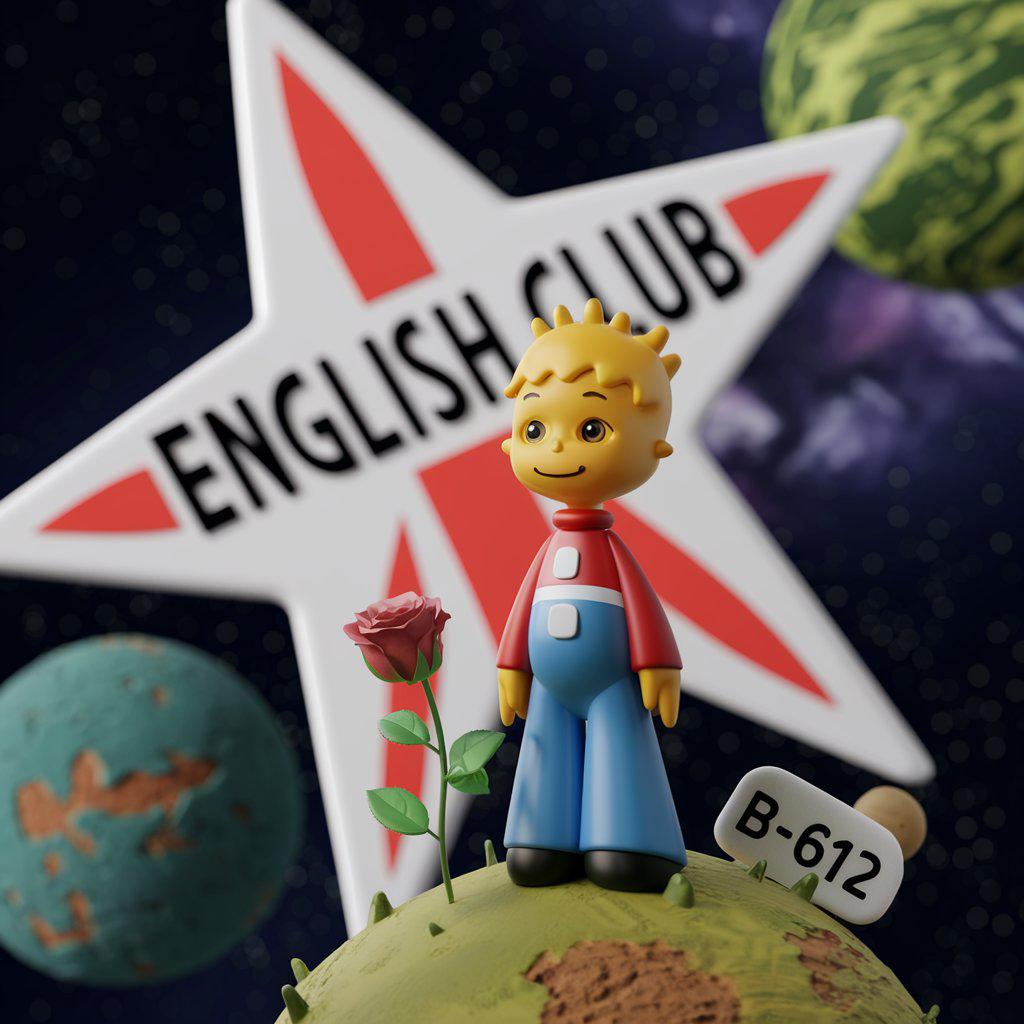
Antoine de Saint-Exupéry’s The Little Prince is a book that speaks to both the heart and the mind. Although it may look like a story for children, its lessons about life, relationships, and even business are profound. Here are some insights from this timeless tale, explained in greater detail.
1. Value the Invisible
The Little Prince says, “What is essential is invisible to the eye.” This line reminds us that the most meaningful things—love, trust, compassion—cannot be measured or seen. In relationships, it’s not grand gestures but the quiet moments of support and understanding that truly matter. Similarly, in business, values like integrity and teamwork may not be obvious but are essential for long-term success. When we learn to focus on the invisible, we develop a deeper appreciation for life’s true treasures.
2. Take Care of What You Love
The Little Prince’s devotion to his rose is a lesson about responsibility. Even though the rose was demanding, he cared for it because it was special to him. This applies to life and work: the things we invest time and effort in become meaningful to us. Relationships thrive when we nurture them with attention and care. Projects and businesses succeed when we dedicate ourselves to their growth. Taking care of what we love reminds us that commitment is key to creating something beautiful.
3. See the World with Wonder
Adults in the story often see the world as practical and predictable. The Little Prince, however, views it with curiosity and imagination. This sense of wonder inspires creativity. In life, when we stop and ask “Why?” or “What if?” we unlock new ideas and solutions. In business, innovation often comes from seeing the same problem in a different way. Wonder fuels progress because it encourages us to think beyond limits and find joy in discovery.
4. Accept Responsibility
On his small planet, the Little Prince cared for his volcanoes and his rose. He knew that neglecting them could lead to problems. This shows us that responsibility is not just about duty—it’s about recognizing how our actions impact others. In relationships, being responsible means keeping promises and being present. In business, it means taking ownership of mistakes and learning from them. Responsibility helps us grow stronger and become more trustworthy.
5. Appreciate the Journey
Throughout his travels, the Little Prince meets various characters—a king, a businessman, a fox—and each encounter teaches him something. These moments remind us that the journey itself is valuable, even if it’s challenging. In life, we often focus on reaching goals, but the experiences along the way shape who we are. In business, every failure or success adds to our knowledge. By appreciating the journey, we become more resilient and open to learning.
The Lesson:
The Little Prince teaches us to cherish simplicity, care deeply, and stay curious. Whether in life, relationships, or business, it’s the invisible connections, the small acts of care, and the lessons from the journey that make us who we are.
Reading Comprehension Questions:
- Why are invisible things like trust and love important in relationships?
- How did the Little Prince show his love for the rose?
- What role does curiosity play in innovation, according to the article?
- Why is taking responsibility important for personal growth?
- What does the article say about focusing on the journey instead of the destination?
Open-Ended Questions:
- Can you think of an invisible quality that has helped you in life?
- How do you balance responsibility with enjoying life?
- Share an experience where a journey taught you more than the destination.
Vocabulary and Expressions List:
- Profound - Very deep or meaningful.
- Meaningful - Having importance or value.
- Integrity - Being honest and having strong moral principles.
- Nurture - To care for and encourage growth.
- Imagination - The ability to think of new ideas.
- Neglect - To fail to take care of something or someone.
- Ownership - Taking responsibility for something.
- Resilient - Able to recover quickly from difficulties.
- Unlock - To discover or open up new possibilities.
- Cherish - To hold something dear or important.
View Instagram Post