Website designed with the B12 website builder. Create your own website today.
Start for free
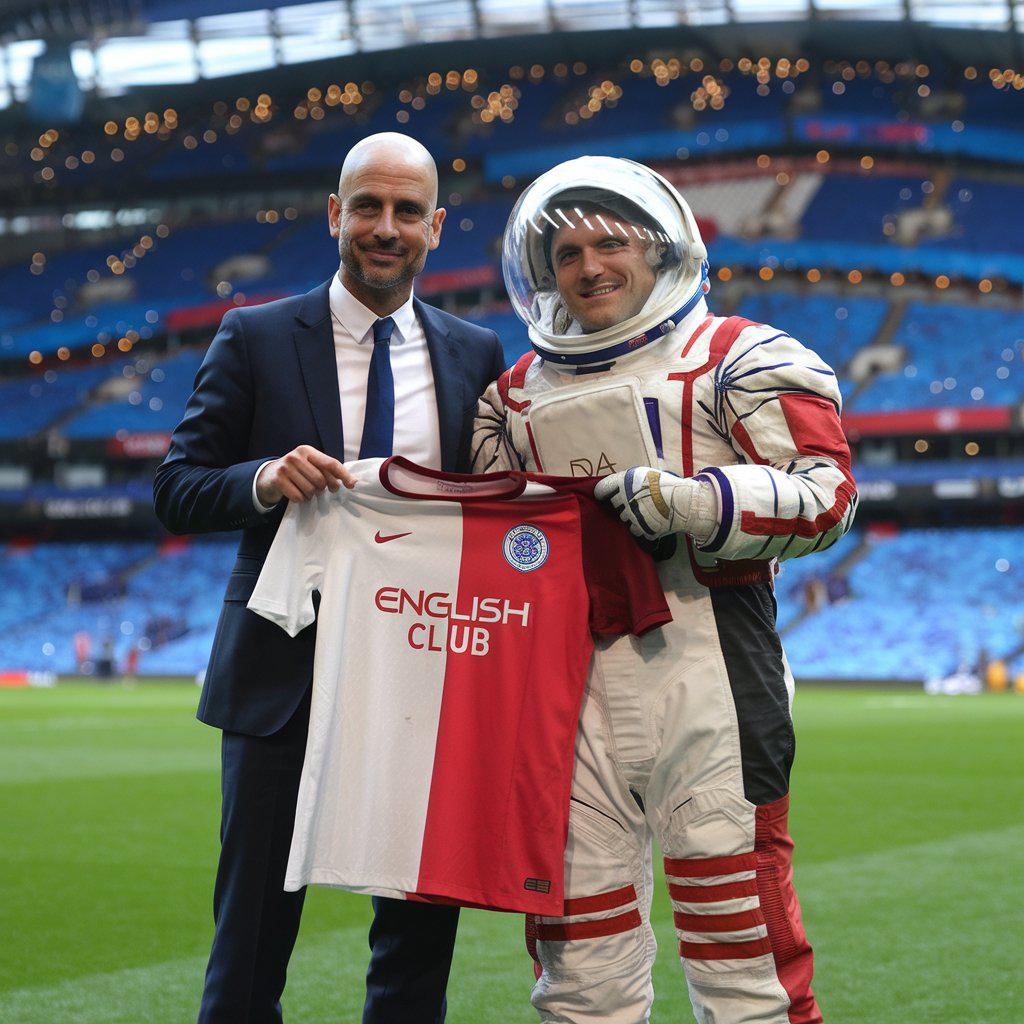
Pep Guardiola is not just a name in football; he’s a symbol of excellence, innovation, and relentless pursuit of perfection. Born in Santpedor, Spain, in 1971, Guardiola's journey from a player at FC Barcelona to becoming one of the greatest football managers in history is nothing short of extraordinary. His approach to football has revolutionized the sport, and his managerial philosophy offers valuable lessons that transcend the football pitch, resonating with businesses, entrepreneurs, and life in general.
Guardiola's rise to fame began as a player under Johan Cruyff’s "Dream Team" at Barcelona, where he learned the importance of tactical intelligence and positional play. However, it was his transition to management that truly set him apart. In 2008, at just 37 years old, Guardiola took over as Barcelona’s head coach. His impact was immediate and profound. In his first season, he led the team to an unprecedented treble—winning La Liga, the Copa del Rey, and the UEFA Champions League. By 2012, Guardiola had secured 14 trophies in just four years, including two more Champions League titles, making him the most successful coach in Barcelona’s history.
Lesson 1: Embrace Innovation and Adaptability One of Guardiola’s defining characteristics is his commitment to innovation. He transformed Barcelona’s playing style with his “tiki-taka” philosophy—a fast-paced, possession-based game that prioritized short passes and movement. This strategy wasn’t just about winning; it was about dominating the game, controlling the tempo, and dictating the terms. Businesses and entrepreneurs can learn from this by embracing innovation and being willing to adapt their strategies to stay ahead of the competition. Just as Guardiola redefined football tactics, companies must continuously evolve to thrive in dynamic markets.
Lesson 2: Build a Strong Team Culture Guardiola’s success is not just about tactics; it’s also about building a strong team culture. He is known for his meticulous attention to detail, intense training sessions, and his ability to motivate players. His approach fosters a sense of unity, discipline, and mutual respect among team members. For example, during his time at Bayern Munich (2013-2016), Guardiola emphasized the importance of teamwork, leading the club to three consecutive Bundesliga titles. In business, creating a positive and collaborative team culture is essential for achieving long-term success. A motivated and cohesive team can overcome challenges and achieve remarkable results.
Lesson 3: Focus on Continuous Improvement Guardiola’s relentless pursuit of perfection is another key lesson. Even after achieving monumental success, he never rests on his laurels. During his tenure at Manchester City, which began in 2016, Guardiola has continuously refined his tactics, leading the club to five Premier League titles in six seasons (2017-2023). His focus on continuous improvement—both in himself and his team—has made Manchester City one of the most dominant forces in European football. Entrepreneurs and business leaders should adopt this mindset, constantly seeking ways to improve their products, services, and processes to maintain a competitive edge.
Lesson 4: Resilience in the Face of Setbacks Despite his success, Guardiola has faced significant challenges. After his emotional departure from Barcelona in 2012, he took a year-long sabbatical before joining Bayern Munich. Even at Manchester City, he faced criticism after a trophyless first season. However, Guardiola’s resilience and ability to learn from setbacks have been crucial to his continued success. In business and life, setbacks are inevitable, but resilience—coupled with a willingness to learn and adapt—can turn these challenges into opportunities for growth.
Lesson 5: Lead with Passion and Purpose At the core of Guardiola’s success is his passion for football and his unwavering commitment to his principles. He leads with purpose, always striving to play beautiful football while achieving results. This passion inspires those around him and drives him to push the boundaries of what’s possible. For entrepreneurs and business leaders, leading with passion and a clear sense of purpose can inspire teams, attract customers, and create a lasting impact.
Lesson Learned: Pep Guardiola’s journey from a football player in Spain to one of the greatest managers of all time is a testament to the power of innovation, teamwork, continuous improvement, resilience, and passion. These principles, while rooted in football, are universally applicable to business, entrepreneurship, and life. By embracing these lessons, anyone can strive to achieve greatness in their chosen field.